

What is Ferrovanadium (FeV)?
Ferrovanadium (FeV) is a ferroalloycomposed primarily of iron (Fe)and vanadium (V). It is not a pure elemental metal but an alloy used extensively in metallurgy, particularly in the steelmaking industry. Ferrovanadium serves as a master alloyto introduce vanadium into steel and other metal matrices in a controlled and efficient manner.
The primary role of FeV is to enhance the physical and mechanical propertiesof steel. When vanadium is added to steel via ferrovanadium, it leads to increased strength, hardness, toughness, and resistance to wear and high temperatures. This makes the resulting steel suitable for demanding applicationssuch as in tools, aerospace components, automotive parts, and high-performance springs.
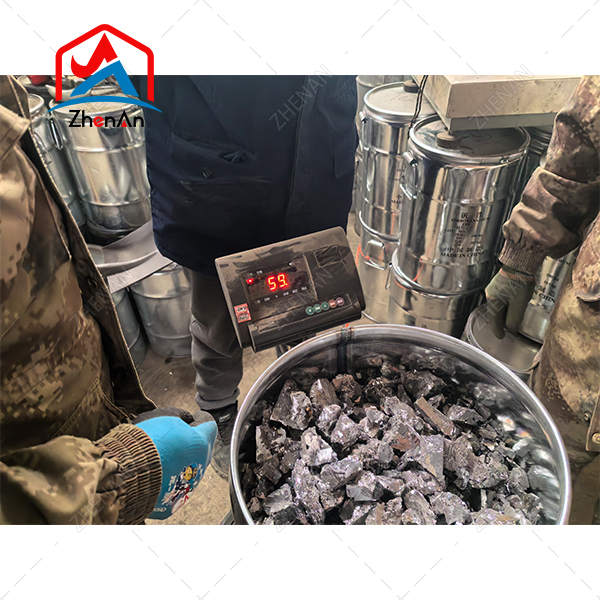
Ferrovanadium typically contains 35% to 85% vanadium, depending on the grade, with the balance being mostly iron and small amounts of other elements. The alloy is produced by reducing vanadium-bearing materials—such as vanadium oxides or slag—with iron in processes like aluminothermic or silicothermic reduction, often within electric arc furnaces.
There are several grades of FeV, classified mainly by their vanadium content and carbon levels. High Purity Ferrovanadiumrefers to alloys with vanadium content typically above 78%, and critically, very low levels of impurities such as carbon, silicon, sulfur, and phosphorus. These impurities are minimized to avoid negatively affecting the properties of the final steel or alloy product.
High Purity FeV is especially valuable in premium steel manufacturing, where performance, reliability, and consistencyare essential. It is commonly utilized in the production of high-speed steels, tool steels, HSLA (High-Strength Low-Alloy) steels, and critical components in aerospace and energy sectors.
In summary, Ferrovanadium is a vital alloying agent that enables the production of stronger, tougher, and more durable steel products, with High Purity FeVrepresenting the top tier of this material for advanced industrial applications.