

What are the advantages of using High Purity FeV in steelmaking?
Using High Purity Ferrovanadium (FeV)in steelmaking offers a range of significant technical and economic advantages, particularly in the production of high-performance and specialty steels. Its high vanadium content and low impurity levels translate directly into better steel properties, improved processing efficiency, and higher-quality end products.
One of the primary advantages is the enhanced mechanical propertiesit imparts to steel. High Purity FeV improves strength, hardness, toughness, and wear resistance, allowing manufacturers to produce steel that can withstand extreme operational conditions. This is especially important in structural, automotive, and aerospace applications, where material failure is not an option.
Another major benefit is grain refinement. Vanadium from High Purity FeV helps refine the microstructure of steel by forming fine carbides and nitrides, which inhibit grain growth during heating and cooling cycles. This results in stronger yet more ductile steelwith better fatigue and impact resistance.
The low impurity content, especially low carbon, in High Purity FeV is crucial for premium steel grades. Impurities like carbon, sulfur, and phosphorus can lead to embrittlement, inclusions, or inconsistent propertiesin steel. By using a cleaner alloy, steelmakers achieve greater control over the steelmaking process, ensuring higher consistency, fewer defects, and better final product performance.
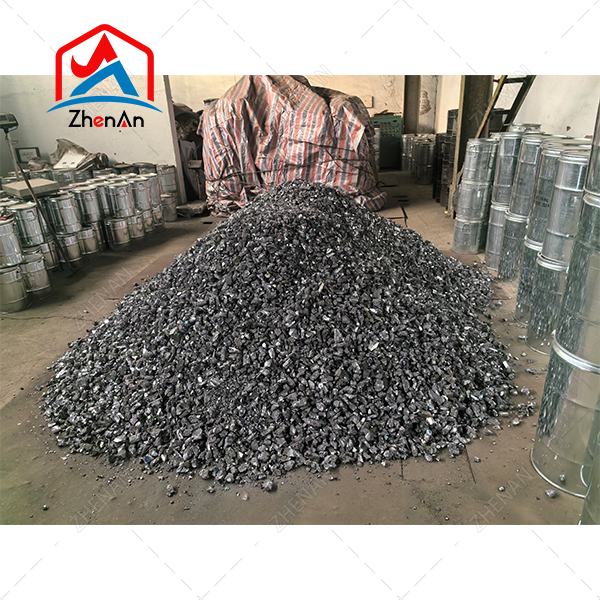
High Purity FeV also contributes to improved high-temperature performance. Vanadium stabilizes the steel microstructure at elevated temperatures, making it ideal for heat-resistant steels used in power plants, jet engines, and industrial furnaces.
From a processing standpoint, the predictable and clean compositionof High Purity FeV allows for precise alloying, reducing waste and improving yield. This translates into cost efficiency and better quality controlin high-value steel manufacturing.
In summary, High Purity FeV enhances strength, durability, and performanceof steel while enabling tighter process control, fewer defects, and superior end-product quality, making it a preferred choice in advanced metallurgy.