

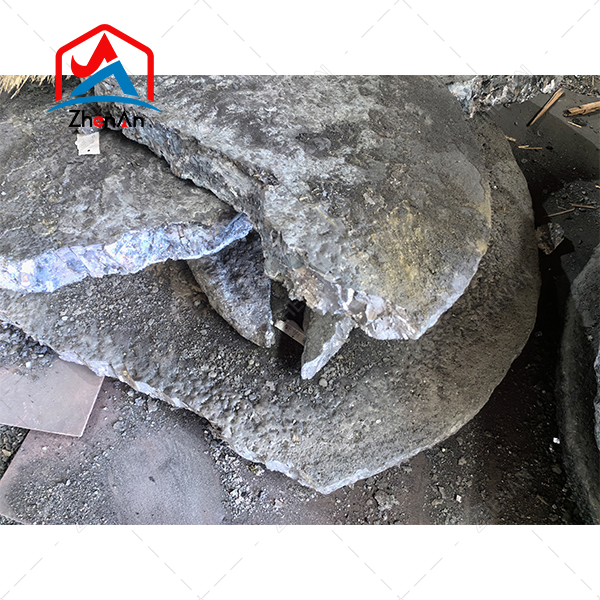
Ferrovanadium 80 Percent(commonly abbreviated as FeV 80) refers to a high-grade ferroalloyconsisting of approximately 80% vanadium (V)and the remaining balance primarily iron (Fe), along with very low levels of impurities. It is one of the highest vanadium-content standard ferrovanadium gradesavailable and is widely regarded as a premium alloyused in high-performance and critical steel applications.
Composition:
•Vanadium (V):~78%–82% (often rounded to “80%” for grading)
•Iron (Fe):Balance (~18%–20%)
•Carbon (C):Typically very low, often <0.1%(in High Purity versions)
•Silicon (Si), Sulfur (S), Phosphorus (P):Strictly controlled to enhance steel cleanliness
FeV 80 is usually categorized under High Purity Ferrovanadiumor Low Carbon Ferrovanadium (LCFeV)when the carbon content is minimized. The high vanadium content makes it extremely effective at imparting strength, toughness, and high-temperature resistanceto steel.
Industrial Applications:
FeV 80 is used in premium-grade steel production, such as:
•Aerospace components(aircraft frames, jet engine turbine blades)
•High-speed tool steels and dies
•Nuclear reactor steels
•Energy industry parts(turbine components, oil drilling equipment)
•Advanced automotive and defense steels
The high vanadium contentallows for the formation of fine vanadium carbides (VC), which significantly refine the steel’s grain structure, improving:
•Tensile strength
•Wear resistance
•Fatigue and creep resistance at elevated temperatures
Advantages:
•Exceptional strength-to-weight performance
•Superior high-temperature stability
•Enhanced steel durability and hardness
•Improved processing and machining qualities
FeV 80 is more expensivethan lower-grade ferrovanadium (like FeV 50 or FeV 60) due to its higher vanadium content and purity, but it is indispensable for mission-critical applicationswhere performance, safety, and reliability are non-negotiable.In summary, Ferrovanadium 80 Percentis a top-tier alloythat delivers maximum vanadium benefitsfor high-end steel and alloy manufacturing, making it essential in aerospace, defense, energy, and advanced engineering industries.