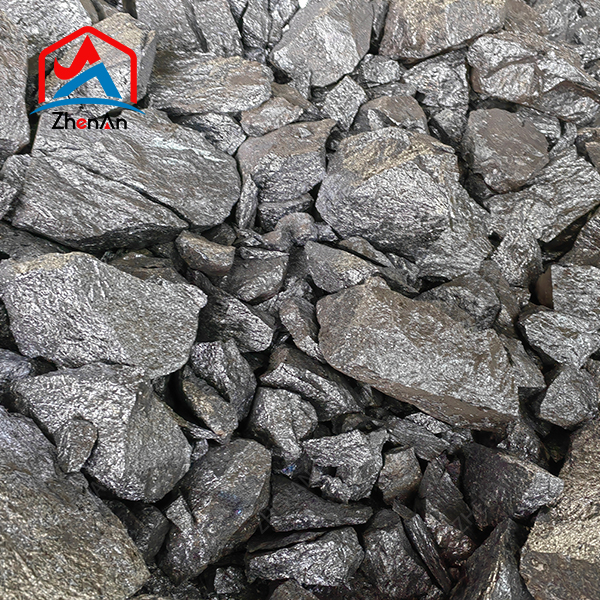
What are the key differences between Silicon Metal 1101 and 553, and which one is better for electronics manufacturing?
Silicon Metal 1101 and 553 are both high-purity alloys but differ significantly in impurity levels and applications. Silicon Metal 1101 (also called Si 99.75%) contains ≤0.10% iron, ≤0.10% aluminum, and ≤0.05% calcium, making it ideal for high-performance electronics, solar panels, and semiconductor applications where minimal impurities are critical. Its superior purity ensures better conductivity and thermal stability, crucial for precision components.
On the other hand, Silicon Metal 553 (Si 98.5%) has slightly higher impurities (≤0.5% iron, ≤0.5% aluminum, ≤0.3% calcium) but is more cost-effective. It is widely used in aluminum alloys, silicone production, and general industrial applications where extreme purity isn’t mandatory.
For electronics manufacturing, Silicon 1101 is the better choice due to its higher silicon content and lower metallic impurities, which enhance electrical efficiency in semiconductors and photovoltaic cells. However, Silicon 553 remains valuable for alloy strengthening (e.g., in automotive parts) and cost-sensitive industrial uses.
Key Takeaway:
Use Silicon 1101 for high-tech electronics, solar energy, and precision alloys.
Use Silicon 553 for general metallurgy, construction, and budget-friendly applications.