

How is Silicon Metal 553 utilized in advanced manufacturing, and what makes it suitable for high-tech industrial applications?
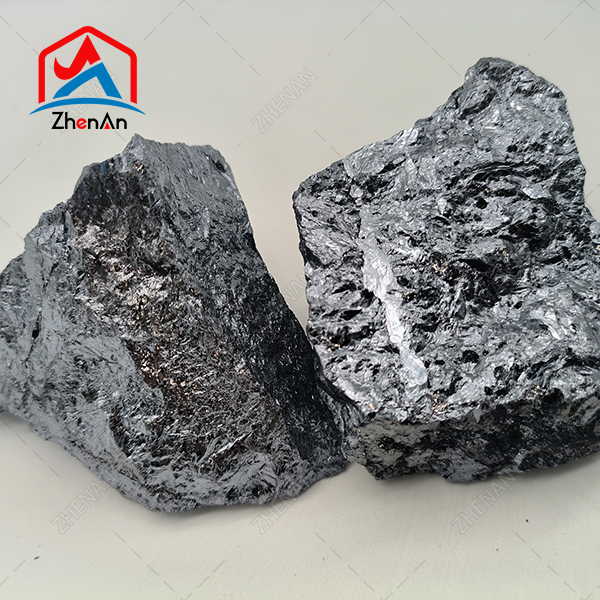
Silicon Metal 553 (Si 98.5%) plays a crucial role in advanced manufacturing due to its balanced silicon purity, cost-efficiency, and versatile metallurgical properties. While not as pure as electronic-grade silicon (e.g., Si 1101), 553 grade offers an optimal mix of performance and affordability, making it indispensable in high-volume industrial production.
Key Applications in Advanced Manufacturing:
Aluminum Alloys & Lightweight Materials – Silicon 553 is a primary alloying agent in aluminum-silicon (Al-Si) alloys, enhancing strength-to-weight ratios for automotive parts, aerospace components, and precision machinery. Its fine grain-refining properties improve casting fluidity and reduce porosity.
Silicone Production & Polymer Additives – Used as a base material for organosilicon compounds, Silicon 553 helps manufacture sealants, adhesives, and high-temperature-resistant rubbers essential in electronics, construction, and automotive industries.
3D Printing & Powder Metallurgy – In additive manufacturing, silicon metal powders (including 553 grade) are blended with other metals to produce strong, heat-resistant components for tooling and industrial prototypes.
Why It’s Suitable for High-Tech Manufacturing?
Cost-Effective Purity – With 98.5% silicon content, it balances performance and price, avoiding the premium cost of ultra-high-purity silicon (e.g., Si 1101).
Thermal & Chemical Stability – Resistant to oxidation and high temperatures, making it ideal for foundry applications and heat-intensive processes.
Conclusion:
Silicon Metal 553 is a workhorse material in advanced manufacturing, enabling lighter, stronger, and more durable components across automotive, aerospace, and industrial engineering.