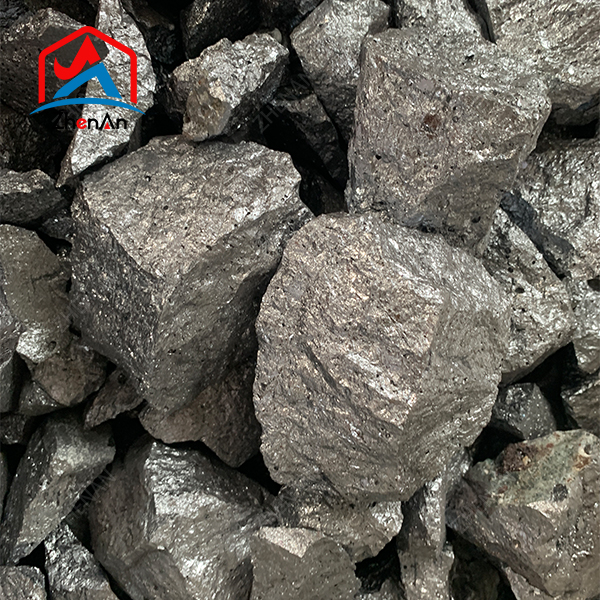
Why is Silicon Metal 553 reliable for chemical processes, and how does it enhance industrial chemical production?
Silicon Metal 553 is a versatile reagent in chemical manufacturing, serving as a foundational element in silicon-based chemicals, catalysts, and high-temperature reactions. Its moderate purity (98.5%) and thermal stability make it a reliable choice for large-scale chemical processes.
Key Roles in Chemical Manufacturing:
Production of Silicones & Organosilicon Compounds – Silicon 553 is the primary raw material for synthesizing silicones (used in sealants, lubricants, and medical devices). Through reactions with methyl chloride or oxygen, it forms siloxanes, the backbone of high-performance polymers.
Silicon-Based Catalysts – Used in petrochemical refining and polymerization processes, silicon metal aids in hydrogenation, dehydrogenation, and cracking reactions.
Production of Fumed Silica & Silicates – Ground Silicon 553 is a precursor for fumed silica (used in coatings, adhesives, and electronics) and water glass (sodium silicate, used in detergents and construction).
Why It’s Reliable?
Thermal Resistance – Withstands extreme temperatures (up to 1414°C melting point) without degradation, ensuring stability in high-heat chemical reactions.
Cost Efficiency – More economical than ultra-high-purity silicon, making it ideal for bulk chemical synthesis.
Conclusion:
Silicon Metal 553 is a cornerstone material in chemical engineering, enabling the production of silicones, catalysts, and advanced materials essential for modern industry.